Categories
Male Orange Cats

Why Are Most Orange Cats Male?

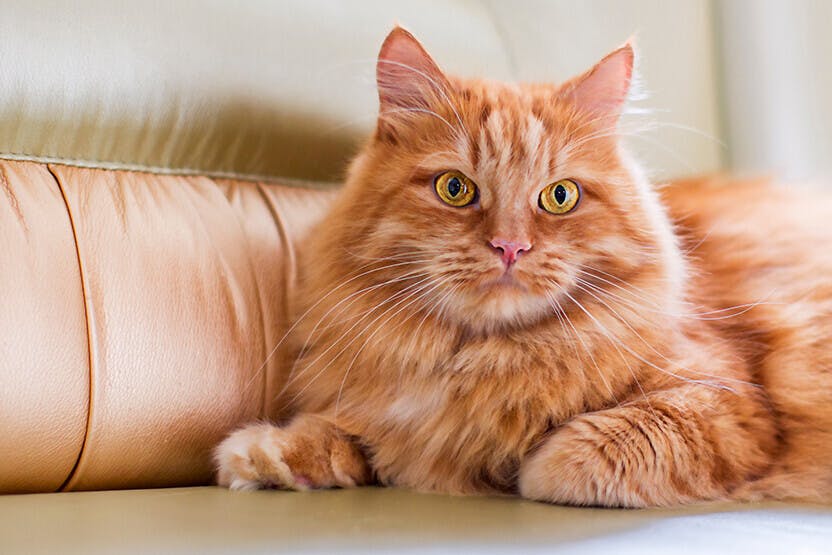
About 80 percent of orange cats are male due to genetics. The orange coloring comes from a gene located on the X chromosome, which influences the production of pigments in a cat’s fur. Males require only one copy of this gene from their mother to appear orange, while females need two copies—one from each parent. Because of this, male orange cats are much more common, while orange females remain relatively rare.

Orange cats, often called ginger or marmalade cats, owe their bright coats to the O gene. This gene converts the typical dark pigment in feline fur, called eumelanin, into a reddish-orange pigment known as pheomelanin. The placement of this gene on the X chromosome means its expression depends strongly on a cat’s sex chromosomes.

Male cats have one X and one Y chromosome (XY). If their single X chromosome carries the O gene, they will be orange since they have no second X chromosome to counter the trait. Female cats, with two X chromosomes (XX), must inherit the O gene from both parents for the orange color to show across their entire coat. If only one X chromosome carries the orange gene, the result is a coat with patches of both orange and black—commonly known as the tortoiseshell or calico pattern.

The Genetics of Ginger

  • Orange fur is not linked to a specific breed, but is a genetic trait.
  • Female orange cats are rare, while males are far more common.
DESCRIBE IMAGE

Categories
Friendly Cats

Are Orange Cats Friendlier?

Many orange tabby owners insist their cats are unusually affectionate, social, and even talkative. They’re often described as outgoing companions who greet humans eagerly, purr at the slightest attention, and follow their owners from room to room. While this friendly reputation adds to the orange tabby’s charm, it’s important to remember that personality is influenced far more by genetics, early life experiences, and socialization than by fur color.

Orange cats, sometimes called ginger or marmalade cats, are known for their striking coats and expressive faces. Because they often appear in domestic shorthair and mixed breeds, their personalities can vary widely. Some orange cats are highly social and seem to enjoy human company, while others are quiet, independent, or even shy. This variation suggests that environment and upbringing play the strongest role in determining temperament.

Personality Myths

  • Orange cats are often described as friendly, vocal, or even lazy, but these traits aren’t guaranteed.
  • Socialization matters more than color when it comes to a cat’s temperament.

Kittens that are handled gently, exposed early to different people, and raised in calm environments generally grow up to be more confident, affectionate adults—regardless of their coat color. Conversely, kittens that receive little human interaction or experience stress early in life can become more cautious or aloof, even if they share the same orange hue. Breed also has an influence, as some breeds, such as Maine Coons and Abyssinians, tend to exhibit specific behavioral tendencies passed through genetics.

Orange cat

Categories
Why They Are Unique

What Makes Orange Cats Unique?

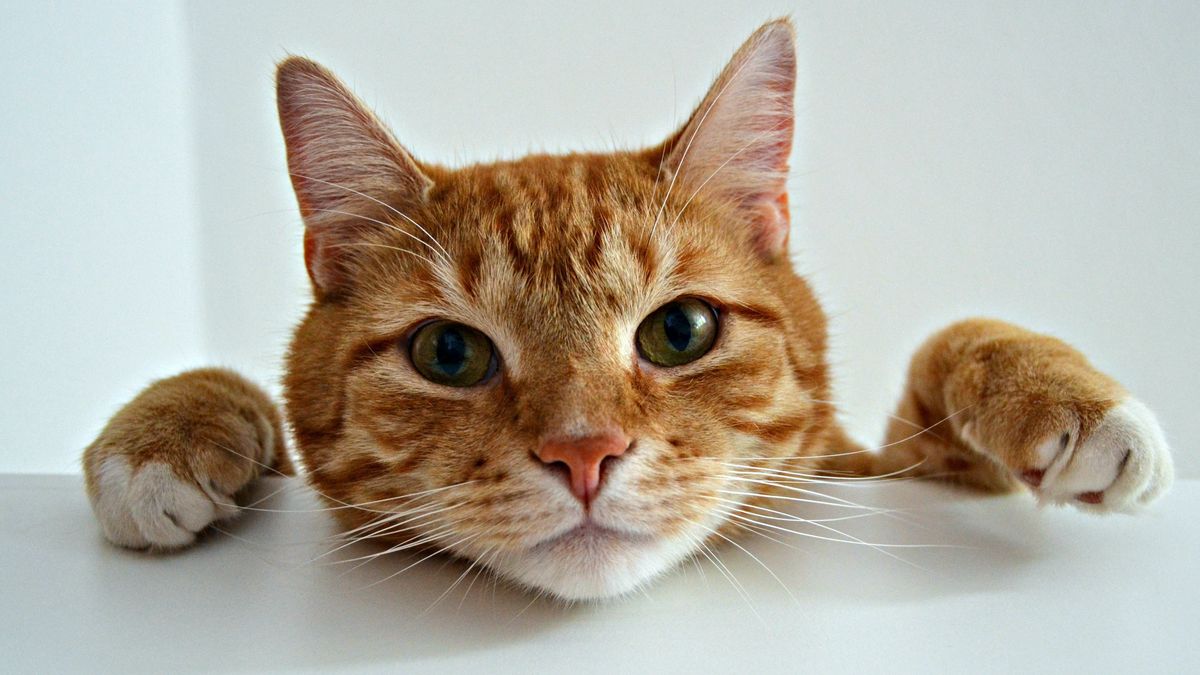
Orange cats, often affectionately called ginger or marmalade cats, are universally recognized by their warm, sunny coats and distinctive tabby markings. What many people may not realize is that every orange cat is genetically a tabby. This defining trait arises from the agouti gene, which controls the distribution of pigment along individual hairs, creating the familiar striped, spotted, or marbled patterns that give each orange cat its unique appearance. Even if their markings appear faint or subtle, the genetic evidence of tabby patterning is always present.

The golden or reddish tone of an orange cat’s fur is due to a pigment called pheomelanin the same pigment responsible for red hair in humans. The intensity of this coloration can vary from pale cream to deep, rich reddish-orange, influenced by both genetics and environmental factors. Unlike other coat colors, the orange hue is linked to the X chromosome, which explains why male orange cats are far more common than females. Because males have only one X chromosome, they need just one copy of the orange gene to display the color, while females require two.

Although many cat lovers imagine a smooth, solid orange coat, a true non-tabby orange cat is nearly impossible to find. The genetic mechanism that produces orange coloring is intricately linked to the tabby pattern, making it exceptionally rarevirtually nonexistent—for an orange cat to lack those characteristic markings. Some appear solid at first glance because their stripes are pale or closely blended, but a closer look, especially in bright light, will reveal faint striping or whorled patterns typical of the tabby variety.

Stripes, Spots & Freckles

  • Orange tabbies usually have four patterns: mackerel (striped), classic (swirled), ticked (peppery), and spotted.
  • They may also develop cute black freckles on their lips or nose.

Orange cat